
 By Admin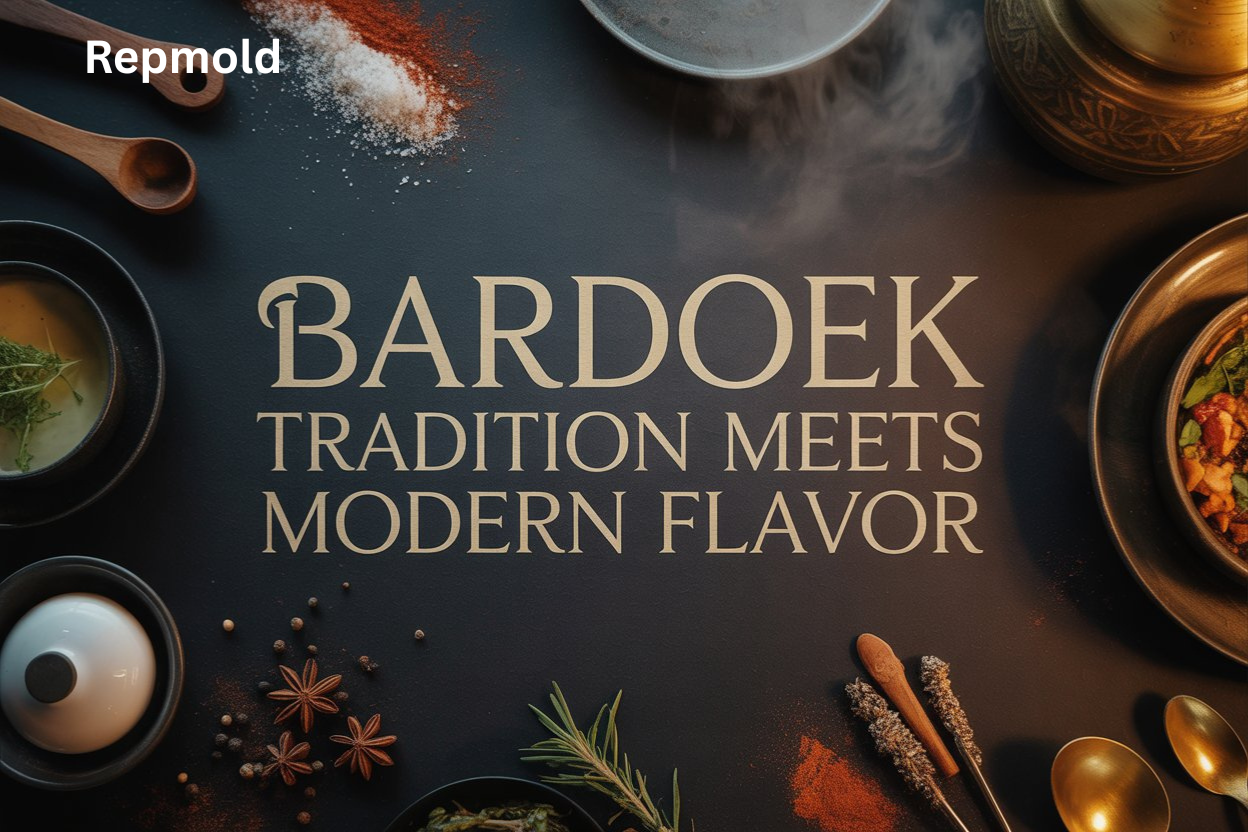
Introduction
Bardoek is a fascinating blend of tradition and modern creativity. It connects the past with today in culture, cuisine, art, and lifestyle. From handcrafted designs to flavorful dishes, Bardoek reflects history while inspiring contemporary innovation. Its rich heritage continues to influence artists, chefs, and designers worldwide. Moreover, it symbolizes resilience, artistry, and cultural pride.
In cuisine, Bardoek brings ancestral flavors to modern kitchens. In fashion and décor, its patterns and materials add authenticity. Artisans and collectors alike celebrate its unique craftsmanship. Additionally, communities honor Bardoek in festivals and cultural events. Consequently, it remains relevant and admired across generations.
By exploring Bar doek, readers can discover more than objects or recipes. They experience stories, creativity, and traditions preserved over centuries. This guide will highlight its historical roots, modern applications, and cultural significance. Furthermore, it shows how Bardoek inspires contemporary lifestyles while keeping tradition alive.
What is Bardoek?
Bardoek is a cultural symbol that blends tradition with modern creativity. Simply put, it represents objects, designs, or practices rooted in heritage. At the same time, it adapts to contemporary art, fashion, and lifestyle.
Traditionally, Bardoek has been part of daily life, rituals, and communal activities. It embodies craftsmanship, storytelling, and cultural identity passed through generations. These elements reflect history, values, and local creativity.
Modern Bar doek takes inspiration from these traditional forms. Designers, chefs, and artists reinterpret it for today’s trends. This includes fashion patterns, home décor, culinary presentations, and artistic creations. By merging old and new, it stays relevant in contemporary culture.
Today, Bardoek matters because it connects people to heritage. It promotes sustainable practices, supports local artisans, and inspires creativity. Additionally, it helps younger generations understand cultural roots while enjoying modern applications.
In essence, Bardoek is both a historical treasure and a living, evolving tradition. It honors the past while embracing the present. Through its dual nature, Bar doek continues to inspire, educate, and enrich daily life.
Historical and Cultural Roots of Bardoek
Bardoek has deep historical roots that span centuries. Originally, communities created it for daily use and cultural rituals. Its forms included textiles, carvings, and decorative objects that reflected local traditions.
Traditionally, Bardoek played a key role in ceremonies and festivals. Families used it to celebrate important events, honor ancestors, and pass down stories. Its presence in everyday life reinforced cultural identity and community bonds.
Moreover, Bardoek served as a tool for storytelling. Patterns, motifs, and materials symbolized history, values, and beliefs. Each item carried emotional weight, linking generations together through shared heritage.
Across centuries, its significance grew beyond practicality. Bardoek became a symbol of pride, resilience, and artistic skill. Communities treasured it, ensuring knowledge and craftsmanship passed from elders to youth.
In essence, Bardoek is more than an object. It represents history, emotion, and cultural continuity. Its legacy connects people to their roots while inspiring respect for tradition.
Modern Applications of Bardoek
Bardoek continues to inspire creativity in today’s world. In fashion, it appears in textiles, patterns, and accessories. Designers blend traditional motifs with modern styles, creating unique wearable art. Consequently, each piece tells a story while remaining stylish and contemporary.
In home décor, Bardoek adds warmth and cultural depth. Furniture, wall art, and decorative objects feature traditional elements in modern settings. This fusion creates spaces that feel authentic, inviting, and visually appealing. Moreover, it allows heritage to live on in everyday life.
Culinary traditions also reflect Bardoek’s influence. Chefs reinterpret classic recipes, combining ancestral flavors with modern techniques. Signature dishes celebrate history while appealing to today’s tastes. Through food, people experience culture in a tangible and delicious way.
Art and collectibles showcase Bardoek as a symbol of cultural identity. Galleries and collectors value handcrafted works that honor tradition. At the same time, these pieces appeal to global audiences seeking unique, meaningful art.
Overall, modern applications of Bardoek bridge past and present. They preserve heritage while adapting to contemporary lifestyles. By blending tradition with innovation, Bar doek remains relevant, admired, and inspirational across cultures.
Unique Features and Benefits of Bardoek
Bardoek stands out for its durability, making it long-lasting and practical. Many items are crafted to withstand everyday use while maintaining quality. Additionally, it often uses eco-friendly materials, promoting sustainability and responsible consumption.
Its artistic appeal is another key feature. Each piece shows originality through handcrafted designs, patterns, and textures. This creativity makes Bardoek visually striking and meaningful in both fashion and décor.
Moreover, Bardoek connects people to cultural heritage. It carries stories, traditions, and values from previous generations. Owning or using Bar doek gives personal meaning, creating emotional ties with history and ancestry.
In essence, Bardoek blends beauty, practicality, and tradition. Its unique features make it a symbol of creativity, sustainability, and cultural pride. By choosing Bardoek, people celebrate artistry while honoring heritage.
How Bardoek is Celebrated Today
Bardoek is celebrated widely through festivals, exhibitions, and cultural events. Communities showcase traditional crafts, culinary arts, and performances to honor heritage. These gatherings attract locals and visitors, creating lively, immersive experiences.
Local artisans play a vital role in keeping Bardoek alive. They teach younger generations, preserve skills, and craft authentic items. Their dedication ensures that traditions continue despite changing times.
Modern communities and consumers also engage with Bar doek in new ways. People buy handcrafted items, attend workshops, and support cultural initiatives. Social media and online platforms help spread awareness globally, connecting audiences to Bar doek’s rich legacy.
Overall, celebrating Bardoek today combines tradition with modern appreciation. Festivals, artisans, and community participation keep it vibrant, relevant, and meaningful across generations.
Tips for Experiencing or Using Bardoek
Supporting authentic artisans is the first step to experiencing Bardoek. Buy directly from local creators to ensure quality and tradition. Additionally, sharing their work helps preserve skills and cultural heritage.
You can incorporate Bardoek-inspired elements at home, in fashion, or cooking. Use traditional patterns in décor, wear handmade accessories, or try classic recipes with a modern twist. This brings heritage into everyday life effortlessly.
Engaging with cultural experiences enhances appreciation further. Attend workshops, festivals, or exhibitions to learn about history and craftsmanship. Educational resources, such as books or online tutorials, also deepen understanding of Bardoek’s significance.
Overall, experiencing Bardoek combines learning, creativity, and appreciation. By supporting artisans, using inspired elements, and engaging in culture, anyone can enjoy its rich legacy.
Conclusion
Bardoek remains timeless because it bridges tradition and modern creativity. It honors heritage while adapting to contemporary lifestyles, making it relevant for all generations.
Its enduring appeal lies in balancing cultural preservation with innovation. Fashion, décor, culinary arts, and crafts all showcase this harmony. By blending old and new, Bardoek continues to inspire creativity worldwide.
Readers are encouraged to explore, appreciate, and incorporate Bardoek into their lives. Support artisans, try traditional recipes, or embrace inspired designs at home. Doing so keeps heritage alive while celebrating modern expression.
Ultimately, Bardoek is more than a tradition—it is a living, evolving symbol of culture, creativity, and connection.