
 By Admin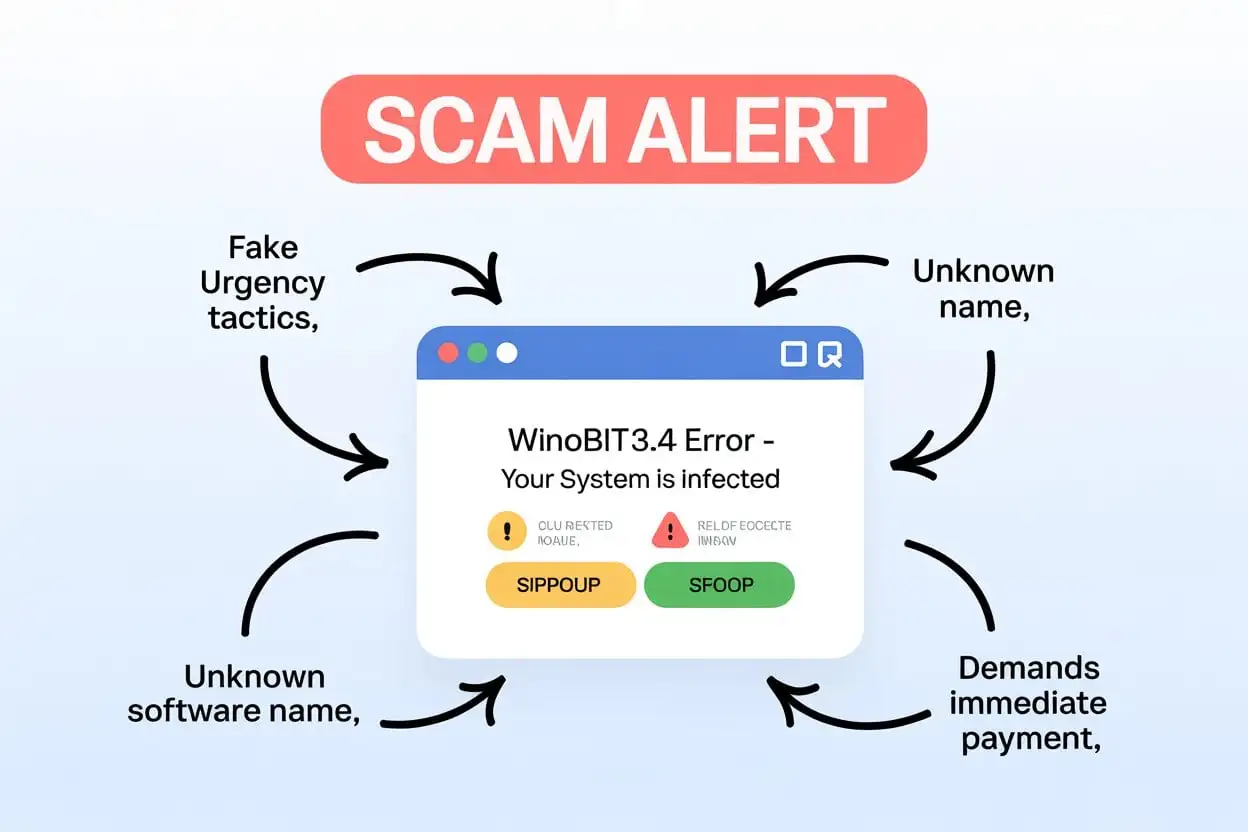
Introduction
The “winobit3.4 software error” is a fake warning created by online scammers. It appears suddenly on your screen and tries to look like a real computer problem. However, it is not connected to any real program or system. Instead, it is designed to scare you into calling a fake support number or giving access to your device.
Many people are searching for this term because the pop-up looks very convincing. It uses strong words, loud sounds, and urgent messages that create fear. As a result, users think their computer is damaged, so they look online for quick answers. This high search volume comes from confusion, not from a real software issue.
But here is the good news. You do not need to panic if you see this message. It is not a real error, and your computer is usually safe. With the right information, you can close the pop-up, stay protected, and avoid the scam easily.
Why “winobit3.4 software error” Isn’t a Real Program
There is no official software called Winobit anywhere on the internet. You will not find it in app stores, trusted websites, or company records. Therefore, the name “winobit3.4 software error” does not point to any real program. It is simply a fake title created by scammers.
Scammers often use technical-sounding names to fool people. They mix words like “Windows,” “bit,” or version numbers like “3.4” to appear legitimate. As a result, many users think the message is from their system. However, the name is only designed to look professional and create fear.
For example, imagine a pop-up saying “ChromeFix 9.1 Error.” It sounds real, but it may be fake. Another example is a message claiming “SystemWarn 5.0 Virus Alert.” It looks official, yet it comes from a malicious website. In the same way, “winobit3.4 software error” is a made-up term meant to confuse users.
How the Fake Error Appears on Your Screen
The fake “winobit3.4 software error” usually appears as a sudden pop-up. It often takes over your screen and tries to look very urgent. Moreover, the pop-up uses bright colors and big warning signs to scare you quickly.
These pop-ups may also pretend to be virus alerts. They show messages like “Your system is infected!” or “Threat detected!” However, these alerts are not real. They only aim to make you believe your computer is in danger.
Sometimes the pop-up locks your browser. It may stop you from closing the tab or clicking anywhere. This trick makes the message feel more serious. Scammers use this style to create panic and force you to call their fake support number.
There are several red flags you can notice instantly. First, real warnings do not use loud alarms or flashing screens. Second, real companies never add phone numbers inside error messages. Finally, any pop-up with strange program names, like “winobit3.4,” is a clear scam sign.
Step-by-Step Breakdown of How the Scam Works
The pop-up stage
The scam usually begins with a sudden pop-up on your screen. It appears while you browse, and it often blocks your actions. Moreover, the message claims that a “winobit3.4 software error” has damaged your system. This is the first step in the scam.
The fear tactic
Next comes the fear tactic. The pop-up uses strong words like “danger” or “virus found.” It may also play loud alarms to increase panic. As a result, many users think their computer is in real trouble. This fear pushes them to act fast without thinking.
The fake “tech support” call
After that, the pop-up shows a fake “tech support” phone number. It says you must call immediately to fix the issue. Once you call, a scammer pretends to be a real technician. They speak confidently to gain your trust and keep you calm.
Remote-access trap
Then the scammer starts the remote-access trap. They ask you to install apps that allow them to control your computer. These tools are real programs, but scammers use them for harmful purposes. Once they get access, they pretend to find more “errors” to scare you further.
Payment fraud stages
Finally, the scam reaches the payment stage. The scammer demands money for fake repairs or fake antivirus tools. They may ask for credit cards, bank transfers, or gift cards. After payment, they often disappear, leaving your computer at even more risk.
Real-Life Cases of People Who Got Tricked
Short, relatable stories
First, consider Anna, who clicked a strange pop-up during online shopping.
Next, think of Mark, who panicked after a loud virus alert appeared.
Similarly, John called a fake number because the message locked his browser.
What went wrong
Anna trusted the pop-up because it looked like a real Windows warning.
Meanwhile, Mark reacted quickly instead of checking if the alert was fake.
Likewise, John allowed remote access, believing the scammer sounded professional.
What readers can learn from them
Always pause before reacting to unexpected warnings.
Moreover, real companies never show virus alerts through random pop-ups.
Additionally, never call numbers shown on scary screens.
Finally, avoid giving remote access unless you fully trust the source.
How to Instantly Identify the Scam (Simple Checklist)
Signs that the error is fake
First, fake errors appear suddenly without any real system action.
Next, the message often includes loud alarms or flashing colors.
Also, the pop-up demands urgent action to scare you.
Moreover, it shows phone numbers, which real warnings never include.
Finally, the text usually has grammar mistakes or strange wording.
How real warnings from Microsoft actually look
Real Microsoft alerts appear inside Windows settings, not random websites.
They also use calm colors and clear messages.
Additionally, they never ask you to call support numbers.
Instead, they guide you through simple on-screen steps.
Furthermore, real alerts do not lock your browser or screen.
One-minute verification steps
First, try closing the browser tab immediately.
Then, check if your computer still works normally.
After that, open your antivirus and run a quick scan.
Next, search the exact message online to confirm if it’s fake.
Finally, remember that real warnings never rush you or demand payment.
What to Do When You See the winobit3.4 Pop-Up
When the winobit3.4 pop-up appears, stay calm and act quickly. First, try to close the browser tab using the “X” button. If it refuses to close, then open Task Manager and end the browser process. After that, restart your computer to refresh the system. Most importantly, do not call any phone number shown on the screen. Also, do not allow remote access or share personal details. These steps protect you from further harm. Once the pop-up is gone, use a trusted antivirus tool to run a full scan. Finally, consider using a browser cleaner to remove unwanted extensions and temporary files. This simple process keeps your device safe and clean.
What to Do If You Already Fell for the Scam
If you already fell for the scam, take action immediately. First, disconnect your computer from the internet to stop further access. Then change all important passwords, especially for banking and email accounts.
Next, contact your bank and explain the situation. They can block suspicious charges and secure your account. After that, uninstall any remote-access tools the scammer asked you to install. These programs allow them to re-enter your system.
Finally, report the scam to your local cybercrime authority and the platform where it occurred. This helps protect others from the same trick. Acting fast reduces the damage and restores your online safety.
How to Prevent Future Fake Error Scams
You can avoid these scams by following safe browsing habits. Always open trusted websites and avoid clicking random ads. Also, stay alert when downloading files from unknown sources. These habits reduce the chance of fake pop-ups.
Next, use tools that block harmful pop-ups automatically. Many browsers offer built-in blockers that stop suspicious windows. You can also install reputable security extensions for extra protection.
Additionally, check your security settings and enable real-time protection. This feature warns you before any dangerous script loads. Finally, keep your system and antivirus software updated. Each update fixes security weaknesses that scammers try to use. With these simple steps, your device stays safer and more secure.
Why These Scams Are Increasing in 2025
These scams are increasing in 2025 because scammers are using new digital tricks. Many fake errors are now created with AI, which makes them look more real. As a result, more people fall for them without noticing warning signs. Scammers also prefer vague keywords like “winobit3.4 software error.” These terms sound technical, yet they are impossible to verify quickly. Therefore, users become confused and panic faster.
Moreover, scammers target people who are not fully aware of online threats. However, digital awareness can protect you. When users learn about these scams, they can spot fake alerts instantly. This knowledge reduces the success rate of scammers and keeps more people safe online.
Common Myths About Fake Error Messages (Debunked)
Many people believe that all pop-ups mean a real virus. However, most pop-ups are just fake warnings made to scare users. Scammers use them because they know fear works quickly. Therefore, not every alert is a sign of infection.
Another common myth is that only elderly people get scammed. In reality, scammers target every age group. Young users also fall for these tricks because the messages look convincing. So, no one is completely safe from digital scams.
Many users also think online tech support numbers are always safe. But scammers often post fake numbers on random websites. They pretend to be trusted companies and steal money or data. Because of this, you should only use official support pages for help.
When to Seek Real Technical Help
You should seek real technical help when the issue continues after a restart. Additionally, real problems often appear inside trusted programs, not through random pop-ups. Therefore, if the warning looks unusual or urgent, it is likely fake.
Always use official support sources when you need help. You can visit the official Microsoft website or your device manufacturer’s support page. These sources provide verified guides, real contact numbers, and safe troubleshooting steps.
Avoid clicking on any support links found in pop-ups. Fake support websites often copy real company designs and logos. They trick users into sharing personal or banking information. So, always type the official website address manually in your browser.
Conclusion: Stay Calm, Stay Smart, Stay Safe
The “winobit3.4 software error” scam may look scary, but it cannot harm you if you stay calm. These fake warnings depend on fear, so think before acting. Real threats rarely appear through sudden pop-ups or urgent messages. Therefore, always double-check before clicking anything.
You can stay safe by following simple online habits and using trusted security tools. Small precautions often prevent big problems. Most importantly, remember that you are in control, not the scammer.
Finally, share this knowledge with friends and family. Many people fall for these tricks because they don’t understand them. Your awareness can protect someone else from losing money or personal information.