
 By Admin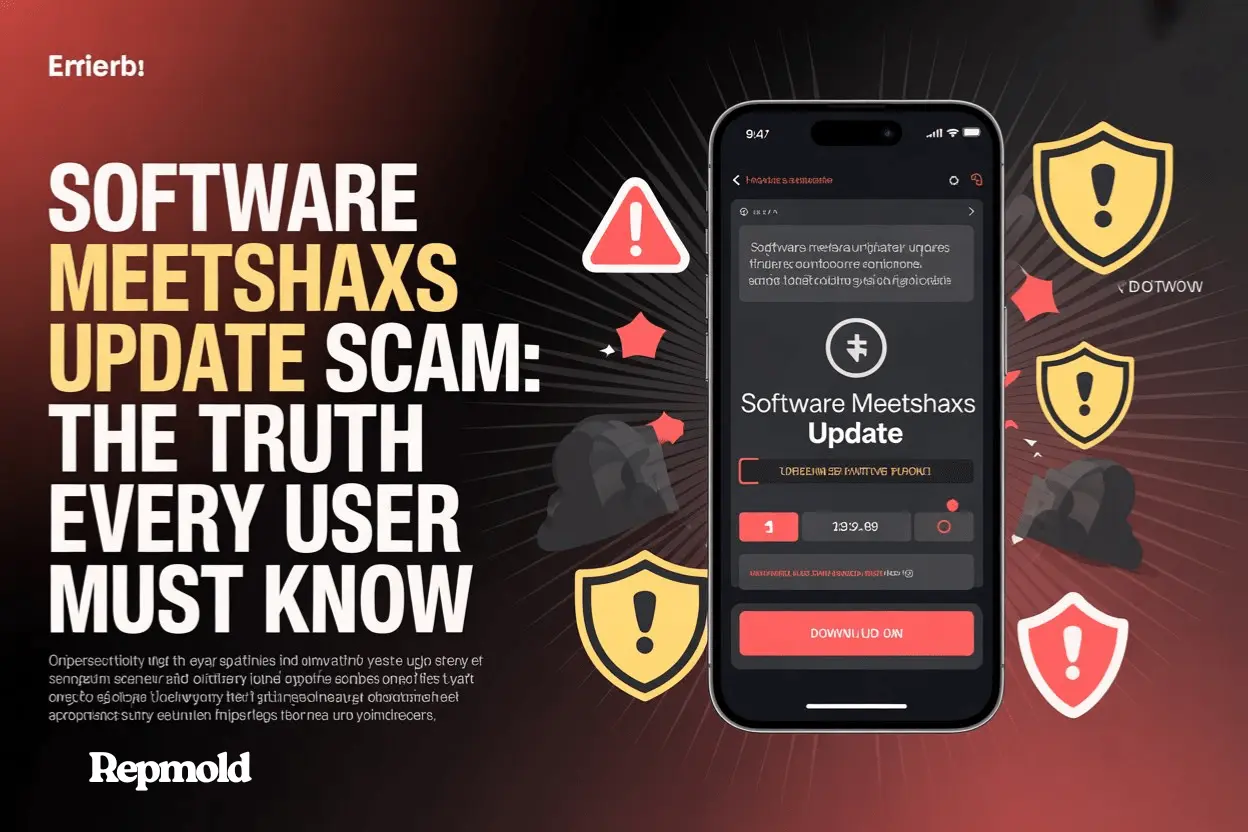
Introduction : Why Fake Update Scams Are Rising in 2025
Fake software update scams are increasing fast in 2025. Cybercriminals now use smarter tricks, and many users still fall for fake update alerts. These scams often appear as sudden pop-ups, emails, or warnings that seem urgent. Because they look real, they easily mislead people.
Recently, the term “Software Meetshaxs Update” has gained attention. It appears in many malicious update pop-ups linked to fake software update scams, malicious update notifications, and phishing-style updates. Since no real software by this name exists, the alert itself is a major red flag.
In this article, readers will learn how these scams work. They will also see how to spot fraudulent update messages, how to stay safe online, and how to avoid malware from fake downloads.
What Is the “Software Meetshaxs Update” Scam?
The Software Meetshaxs Update scam is a type of fake software update scam that targets everyday users. Scammers send pop-ups, emails, or text messages that look like official update alerts. At first glance, these messages appear legitimate, which makes many people click them without thinking.
In reality, the so-called Meetshaxs update does not exist. There is no genuine software by this name, and any alert claiming your device requires it is completely fake. These messages are carefully designed to trick users into downloading malware, spyware, or ransomware.
Scammers often use the name “Meetshaxs” because it sounds technical and believable. Many users assume it is a legitimate tool or productivity software, which helps scammers gain trust quickly. By appearing official, these alerts push users to act hastily, increasing the chances of infection.
Knowing that the Software Meetshaxs Update is entirely fake helps users stay cautious. It teaches readers to question unusual update alerts and avoid falling for online scams.
How the Meetshaxs Scam Reaches Users
The Meetshaxs scam reaches users in several common ways. One of the most frequent methods is through fake pop-up alerts while browsing. These sudden messages often appear on websites, claiming your software is outdated. They usually include urgent warnings and buttons like “Update Now” or “Download.” Many users click without checking, falling into the trap.
Another method is scam emails and SMS messages. Scammers send messages pretending to be from well-known companies. They often use alarming language like “Critical update required” to push users to act quickly. Clicking these links can install malware or steal personal information.
The scam also spreads through malicious ads and unsafe downloads. Some free apps, games, or software installers carry hidden malware. Even legitimate-looking ads on trusted sites can redirect users to fake update pages.
Scammers make the alerts look like official updates. They mimic system notifications and use technical-sounding names like Meetshaxs. This creates a false sense of security, tricking users into trusting the scam.
By understanding these delivery methods, users can recognize fraudulent update messages and avoid falling victim to scams.
Why Scammers Invent Fake Software Names Like “Meetshaxs”
Scammers create fake software names like “Meetshaxs” for several strategic reasons. First, it helps them avoid detection by security tools. Antivirus programs often recognize common software names, so a new, made-up name slips through easily.
Second, unusual names are designed to trick users who don’t know software names. Many people assume any technical-sounding name is legitimate. This makes them more likely to click on pop-ups, emails, or download links without questioning them.
Finally, scammers rely on psychological tactics. They create a sense of urgency, fear, or confusion. Messages often warn that your device is at risk or will stop working. This pressure causes users to act quickly, ignoring caution.
By combining these strategies, scammers increase the chance that users will install malware. Understanding why fake names are used helps readers stay alert and avoid falling for scams.
The Real Dangers: What Happens If You Click the Fake Update
Clicking a fake Software Meetshaxs Update can lead to serious problems. First, it may trigger malware installation. Malware can slow down your device, damage files, or disrupt system performance.
Next, scammers can perform data theft and spying. They can capture passwords, emails, banking details, and other personal information. This puts your identity and finances at risk.
In some cases, ransomware is installed. Ransomware locks your files and demands payment for recovery. Falling victim can lead to financial loss and frustration.
Scammers may also gain remote control of your device. This allows them to add more malware, delete files, or monitor your activities secretly.
Finally, the infection can spread to others. The malware may send itself via email or messaging apps to friends and colleagues.
Understanding these risks helps users stay cautious. Avoid clicking suspicious updates to protect both your device and personal data.
Clear Red Flags to Spot a Fake Meetshaxs Update
Spotting a fake Software Meetshaxs Update is easier if you know the signs. First, check for an unfamiliar name or strange wording. Real updates come from known software or operating systems.
Next, notice if the alert is appearing outside your device settings. Legitimate updates only appear in official update menus. Pop-ups on websites or emails are major red flags.
Fake updates often demand immediate action. Messages like “Update now or risk damage” try to create panic. Real updates rarely use threatening language.
Be cautious if the update is asking for passwords or payments. Legitimate updates never require sensitive information to install.
Finally, watch for suspicious links or poor grammar. Typos, broken sentences, and strange URLs often indicate a scam.
By learning these red flags, users can avoid falling for scams. Awareness is the first step in staying safe online.
How to Safely Handle and Avoid the Scam
When you see a fake Meetshaxs update, do not click it. Close the pop-up immediately. Avoid downloading any files or links from suspicious alerts.
Always check for real updates through your device’s official settings. On Windows, go to Settings > Update & Security > Windows Update. On Mac, use System Settings > Software Update. For Android or iOS, visit Settings > Software Update. Only download updates from these trusted sources.
Using antivirus software, pop-up blockers, and safe browsing habits adds extra protection. Good antivirus programs detect malware before it can harm your device. Pop-up blockers prevent fake alerts from appearing while browsing.
Additionally, teach family members and non-tech users about scams. Show them how to recognize suspicious updates. Encourage asking for help before clicking on unknown links.
By following these steps, you can stay safe, protect your devices, and avoid falling for the Meetshaxs scam.
What to Do If You Already Clicked the Fake Update
If you already clicked a fake Meetshaxs update, act immediately. First, disconnect your device from the internet to prevent further damage.
Next, run a full antivirus scan to detect and remove malware. Use trusted antivirus software like Malwarebytes, Norton, or Windows Defender.
After scanning, reset all your passwords from a secure device. Focus on email, banking, and social media accounts first.
If financial information may have been exposed, contact your bank or credit card company immediately. Monitor accounts for unusual activity and report suspicious transactions.
Sometimes, professional help is necessary. Seek experts if malware persists, ransomware locks files, or your device behaves unusually.
Finally, report the scam to authorities like IC3.gov or local cybercrime units. Reporting helps prevent others from falling victim.
By following these steps quickly, you can minimize damage and regain control of your device safely.
Why This Scam Works — And How to Stay Ahead
The Meetshaxs scam works because scammers use clever social engineering tricks. They create urgency and fear, making users act without thinking. Messages often appear official, which builds false trust.
Additionally, AI technology has made these scams smarter. Scammers can now craft realistic emails, pop-ups, and links. AI helps them mimic real update alerts, making detection harder.
Despite these threats, you can protect yourself by adopting simple long-term habits. Always update software through official settings. Avoid clicking suspicious links or pop-ups. Use antivirus and enable pop-up blockers.
Educate family and colleagues about scams. Regular awareness reduces the chance of falling victim. Stay cautious and verify every alert before taking action.
By understanding why scammers succeed and following safe practices, you can stay ahead and protect your devices effectively.
Final Words : Stay Alert, Stay Smart, Stay Safe
The key takeaway is simple: always question suspicious update alerts. Scammers rely on fear and urgency to trick users. By staying alert, you can avoid malware, data theft, and financial loss.
Remember, Meetshaxs is not real software. Any alert claiming you need a Meetshaxs update is fake. Legitimate updates always come from your device’s official settings or trusted apps.
Finally, share this information with friends, family, and colleagues. Educating others helps protect them from scams. The more people are aware, the less effective these fake updates become.
Stay smart, stay cautious, and always verify before clicking. Protect your devices and personal information by following safe online habits consistently.