
 By Admin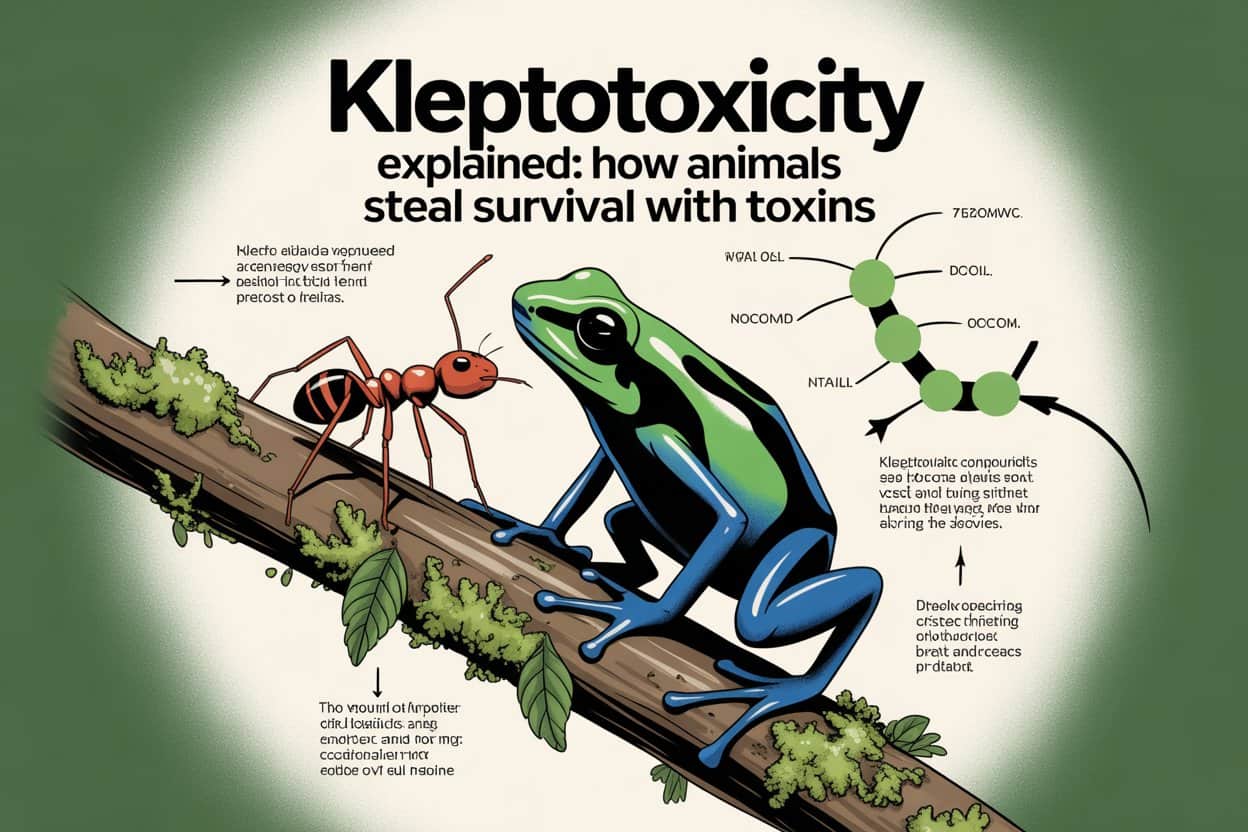
Introduction
Nature never ceases to amaze with its clever survival strategies. One of the most fascinating is kleptotoxicity, a unique way animals use toxins to protect themselves. This strategy allows certain species to steal poisonous chemicals from their prey or environment.
Simply put, kleptotoxicity means “stealing toxicity.” Instead of producing toxins themselves, some animals acquire them from plants, insects, or other creatures. These chemicals then act as a defense against predators. By doing so, they gain a survival advantage with less energy.
Scientists and nature enthusiasts are captivated by this phenomenon. It reveals how chemical defense in animals shapes ecosystems. It also highlights predator-prey interactions, evolution, and biodiversity. Studying kleptotoxicity uncovers nature’s ingenuity, showing how life adapts in creative and unexpected ways.
What is Kleptotoxicity?
The word kleptotoxicity comes from two parts: “klepto” meaning steal, and “toxicity” meaning poison. Together, it describes a fascinating survival strategy in nature.
At its core, kleptotoxicity occurs when certain animals acquire toxins from other species instead of making them themselves. These toxins help the animals defend against predators. They may eat poisonous plants, insects, or even other toxic animals to obtain chemical protection.
Unlike species that produce their own toxins, kleptotoxic animals save energy by using chemicals already present in their food. This strategy is highly efficient. Additionally, it allows them to store and deploy these toxins safely in specialized tissues or glands.
Overall, kleptotoxicity is a perfect example of evolutionary adaptation. It shows how chemical defense in animals can influence predator-prey interactions and the dynamics of ecosystems. This clever survival method fascinates both scientists and wildlife enthusiasts alike.
How Kleptotoxicity Works in Nature
Kleptotoxicity relies on fascinating biological mechanisms that enable survival in the wild. First, animals safely store toxins in specialized tissues or glands. These storage areas prevent the toxins from harming the animal itself.
Next, many kleptotoxic species neutralize harmful chemicals internally. They use modified enzymes or genetic adaptations to process toxins safely. This allows them to consume toxic prey without injury. Additionally, some species circulate protective compounds in their bloodstream to reduce damage.
One key advantage is energy efficiency. Producing toxins from scratch consumes a lot of energy. By stealing toxins from other species, animals conserve energy while still gaining strong chemical defenses. This makes kleptotoxicity a smart and efficient survival strategy.
Ultimately, this process highlights nature’s ingenuity. It demonstrates how chemical defense in animals shapes evolution, predator-prey interactions, and ecosystem balance. Kleptotoxicity is a striking example of adaptation in action.
Fascinating Examples of Kleptotoxic Species
One striking example of kleptotoxicity is the Hooded Pitohui bird. Its feathers contain batrachotoxin, a powerful chemical obtained from its diet. These toxins deter competitors and predators, making the bird nearly untouchable.
Another remarkable species is the Golden Poison Frog. By consuming alkaloid-rich ants and insects, it develops lethal skin toxins. This chemical defense keeps predators away while ensuring survival in its rainforest habitat.
The Brown Rat Snake shows a clever twist on kleptotoxicity. It mimics toxic species and incorporates stolen toxins from its prey. This strategy deters predators and allows it to safely navigate dangerous territories.
Other notable examples include Monarch butterflies, which store toxins from milkweed plants to stay safe. Similarly, marine nudibranchs and certain beetles acquire poisons from their diet to defend against threats.
These examples demonstrate how kleptotoxicity shapes survival strategies across diverse ecosystems. Animals cleverly use chemical defense, mimicry, and stolen toxins to gain an evolutionary advantage.
Ecological and Evolutionary Significance
Kleptotoxicity plays a major role in predator-prey dynamics. Predators quickly learn to avoid toxic prey. As a result, prey species survive longer and reproduce more successfully.
This survival strategy also drives coevolution. Toxic prey become more potent over time. At the same time, predators evolve resistance or avoidance strategies. This ongoing “arms race” boosts biodiversity in ecosystems.
Moreover, kleptotoxic species create ripple effects throughout food webs. By deterring predators, they change hunting patterns and competition among other species. These changes influence population sizes and ecosystem balance.
Kleptotoxicity demonstrates how chemical defense in animals affects evolution, adaptation, and ecological interactions. It highlights nature’s creativity in maintaining survival and species diversity.
Overall, this strategy strengthens ecosystems, encourages evolutionary innovation, and supports a dynamic balance among species.
Mechanisms and Adaptations Behind Kleptotoxicity
One key mechanism of kleptotoxicity is toxin sequestration and storage. Animals store toxins in specialized tissues or glands. This prevents self-harm while keeping the chemicals ready for defense.
Another strategy is mimicry and deceptive appearances. Some animals imitate toxic species in color or behavior. Predators often mistake them for harmful prey, providing protection without producing toxins.
Additionally, kleptotoxic species show genetic and physiological adaptations. Their enzymes and receptors may be modified to resist toxins. These changes allow them to safely consume and carry poisonous chemicals.
Together, these adaptations demonstrate nature’s cleverness. By combining storage, mimicry, and resistance, animals efficiently use stolen toxins. These strategies enhance survival, support predator avoidance, and maintain balance in ecosystems.
Overall, kleptotoxicity reflects a sophisticated interplay of behavior, biology, and evolution, highlighting life’s adaptability in challenging environments.
Advantages and Challenges of Kleptotoxicity
Kleptotoxicity provides several advantages for animals in the wild. First, it offers protection from predators by making them toxic or unappealing.
Second, it allows for energy conservation. Animals save energy by using toxins from prey instead of producing their own. This strategy gives them a survival edge in competitive ecosystems.
However, kleptotoxicity also comes with challenges. Species relying on toxic prey become vulnerable if these resources decline. Environmental changes, habitat loss, or prey scarcity can reduce their defense effectiveness.
Moreover, dependence on external toxins may limit ecological flexibility. If animals cannot adapt to new or less-toxic prey, survival risks increase.
Overall, kleptotoxicity balances benefits and risks, demonstrating how evolution shapes clever survival strategies. Animals gain protection efficiently but must navigate environmental uncertainties carefully.
Human Insights and Applications
Kleptotoxicity offers valuable insights for medical research. Scientists study toxins from frogs, insects, and other species. These chemicals may inspire new pharmaceuticals, including painkillers and treatments for serious diseases.
Additionally, it provides important environmental lessons. Understanding chemical defenses in ecosystems helps humans protect biodiversity. It also reveals how species interact and maintain balance in the wild.
Kleptotoxicity also inspires innovation in biotechnology and pest control. Researchers can develop eco-friendly methods by mimicking toxin use in animals. This approach reduces reliance on synthetic chemicals and supports sustainable solutions.
Furthermore, studying these adaptations highlights nature’s ingenuity. It encourages humans to explore creative strategies for survival, protection, and problem-solving.
Overall, kleptotoxicity demonstrates how observing wildlife can benefit science, conservation, and technological advancement. Nature’s strategies often inspire solutions humans can apply responsibly.
Conclusion
Kleptotoxicity showcases one of nature’s most brilliant survival strategies. Animals cleverly use toxins from other species to defend themselves, conserve energy, and gain a survival advantage.
This strategy highlights the importance of chemical defense in ecology. It shapes predator-prey interactions, drives coevolution, and influences biodiversity. By studying kleptotoxicity, we better understand adaptation and the interconnectedness of life.
Furthermore, these clever adaptations demonstrate evolution’s creativity. Species evolve sophisticated mechanisms like toxin storage, mimicry, and resistance to survive in complex ecosystems.
Ultimately, kleptotoxicity reminds us of nature’s ingenuity. Life constantly adapts, innovates, and finds clever solutions to challenges, inspiring both curiosity and awe.
FAQs About Kleptotoxicity
Q1: What is kleptotoxicity in simple terms?
A: Kleptotoxicity is when animals steal toxins from other species for protection.
Instead of making their own poisons, they use chemicals from prey or plants.
Q2: Which animals are kleptotoxic?
A: Many species use kleptotoxic strategies. Examples include Hooded Pitohui birds, Golden Poison Frogs, Brown Rat Snakes, Monarch butterflies, nudibranchs, and certain beetles.
Each species acquires toxins differently to gain a survival advantage.
Q3: How does kleptotoxicity affect ecosystems?
A: Kleptotoxicity changes predator-prey interactions, drives coevolution, and maintains biodiversity.
It also influences food webs and population dynamics across ecosystems.
Q4: Can humans learn from kleptotoxicity?
A: Yes. Humans can study toxins for medicine, sustainable pest control, and biotechnology.
It also teaches valuable lessons about energy efficiency and adaptation in nature.