
 By Admin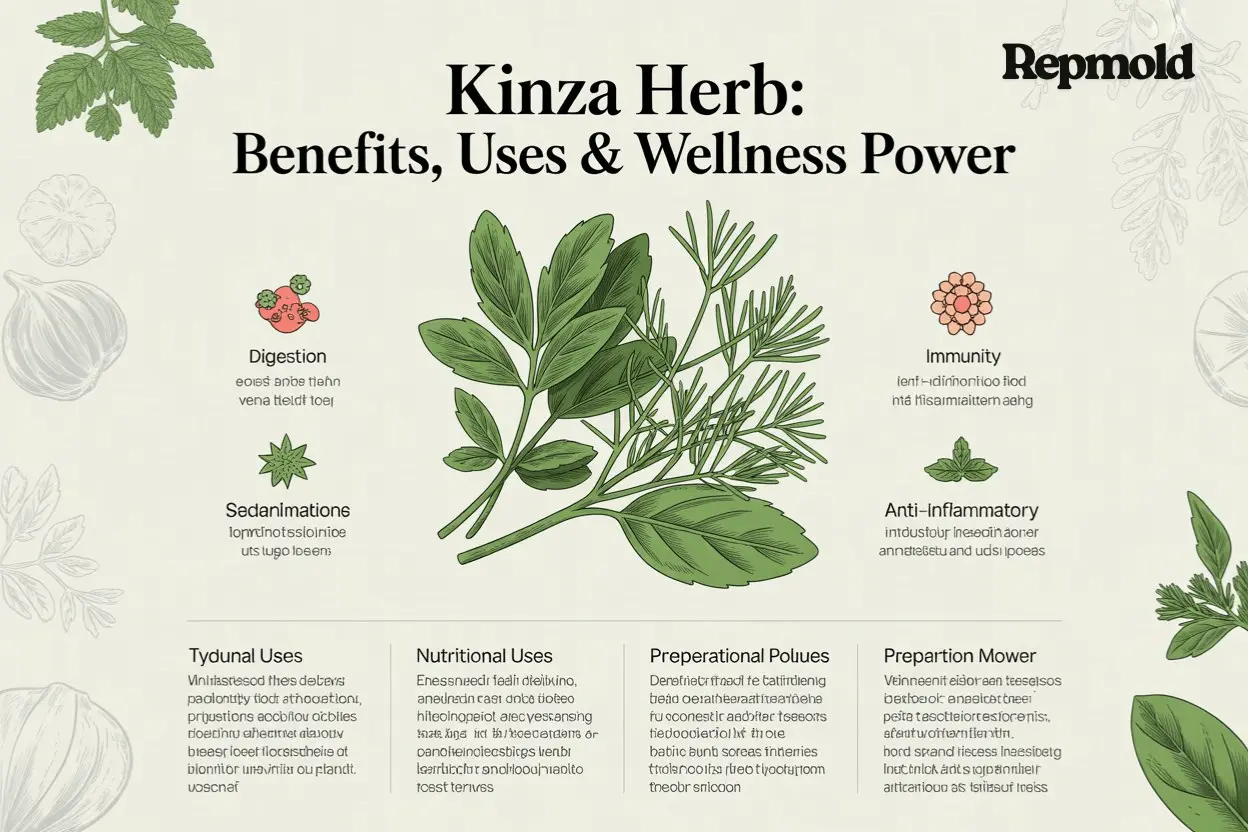
Introduction to the Kinza Herb
Kinza herb, also known as cilantro or coriander, is gaining worldwide popularity. It is celebrated for its fresh, citrus-like flavor and versatility in cooking. From salads to soups, it adds a burst of taste effortlessly. Moreover, the leaves and seeds each offer unique flavors that suit different recipes, making it a favorite in many cuisines.
Beyond its culinary appeal, kinza herb supports overall wellness. Rich in vitamins, antioxidants, and nutrients, it may benefit digestion, skin, and heart health. Its growing presence in kitchens and natural remedies shows its dual role in flavor and health. Whether used fresh, dried, or as seeds, kinza enriches both meals and nutrition.
What Exactly Is Kinza Herb?
Kinza herb is the leafy green of the Coriandrum sativum plant. Globally, it is also called cilantro, while its seeds are known as coriander. The leaves have a fresh, citrusy flavor, perfect for garnishes and salads. In contrast, the seeds are warm, nutty, and slightly sweet, often used as a spice.
Different regions use varying names for kinza, reflecting cultural ties. In Central Asia, it is called “kinza,” while in India, it is “dhania.” In Latin America, the leaves are simply known as cilantro, while Europe often refers to coriander. These naming differences show the herb’s rich history and global importance. Moreover, kinza connects cuisine, tradition, and wellness across cultures, making it a versatile and cherished ingredient.
Nutritional Profile of Kinza Herb
Kinza herb is a nutrient-dense plant that supports overall health. It is rich in vitamins A, C, and K, which help vision, immunity, and blood clotting. Additionally, it contains potassium and folate, essential for heart health and cell growth. Beyond vitamins and minerals, kinza offers antioxidants like quercetin and beta-carotene. These compounds help fight inflammation and protect the body from free radicals.
Furthermore, kinza contains phytonutrients that support digestion and detoxification. Regular use may contribute to skin health, heart wellness, and natural immunity. Despite its low calorie content, kinza packs a powerful nutritional punch, making it an ideal addition to any diet. Therefore, whether added fresh to salads or used as a garnish, kinza not only enhances flavor but also delivers a wide array of health benefits in small amounts.
Major Health Benefits of Kinza Herb
Kinza herb offers numerous health benefits that support overall wellness.
4.1 Supports Healthy Digestion
Kinza helps reduce bloating and improves gut comfort naturally. Additionally, it stimulates digestive enzymes, easing indigestion. Regular use promotes smoother digestion and reduces discomfort after meals.
4.2 Detoxifies the Body Naturally
Kinza can help cleanse the body of heavy metals like lead and mercury. Its natural compounds support liver function and encourage gentle detoxification.
4.3 Boosts Immunity & Reduces Inflammation
With antimicrobial and antioxidant properties, kinza strengthens immunity. Moreover, it helps fight inflammation and protects cells from oxidative stress.
4.4 Heart & Blood Sugar Support
Kinza may help manage cholesterol levels and support heart health. Studies suggest it also helps regulate blood sugar naturally.
4.5 Enhances Skin Health & Appearance
Kinza’s antioxidants and antimicrobial effects reduce acne and soothe irritation. Additionally, it brightens skin and promotes a healthy glow.
Culinary Uses: How to Add Kinza Herb to Your Meals
Kinza herb is versatile and can enhance both flavor and nutrition.
Fresh leaves provide a bright, citrusy taste that shines in salads and salsas. Meanwhile, dried leaves work well in stews, soups, and curries, releasing flavor slowly. Additionally, seeds, also called coriander seeds, add warmth and subtle spice to dishes.
Globally, kinza is cherished in many cuisines. For example, it brightens Middle Eastern tabbouleh and mujaddara. In Latin America, it flavors guacamole, pico de gallo, and chicken soups. South Asian dishes like chutneys, biryanis, and raitas often feature kinza for freshness.
Quickly adding kinza is easy. Toss fresh leaves in salads, stir into soups, or blend into dips and smoothies. Sprinkle over tacos or grilled dishes as a final garnish. This simple herb transforms everyday meals into flavorful, nutrient-rich delights.
Other Practical Uses Beyond Cooking
Kinza herb is not just for meals; it has many practical uses.
Herbal teas made from kinza leaves are soothing and support digestion naturally. Similarly, wellness drinks often include kinza for detoxifying heavy metals and cleansing the body. Moreover, its antimicrobial properties make it useful in homemade skincare, helping reduce acne and soothe irritation.
Beyond personal care, kinza adds fragrance to homes. Dried leaves or seeds placed in sachets act as natural air fresheners and help repel pests. Traditionally, kinza has been used in various cultures to ease anxiety, reduce inflammation, and support overall wellness.
Thus, kinza is truly a versatile herb, blending flavor, health benefits, and everyday utility. Its uses extend far beyond the kitchen, making it a valuable addition to any lifestyle.
How to Store and Preserve Kinza Herb
Keeping kinza herb fresh ensures its flavor and nutrients last longer.
For short-term use, wrap fresh leaves in a damp paper towel. Then place them inside a sealed plastic bag in the fridge. Alternatively, store kinza like a bouquet in a jar with water. Remember to change the water daily to maintain freshness.
For long-term use, freezing is a great option. Chop the leaves and place them in ice cube trays with water or olive oil. Once frozen, transfer them to a sealed container for convenient use. Drying kinza is another method. Hang small bunches upside-down in a cool, dry area until fully dry. Store dried leaves in airtight jars away from sunlight.
With these methods, kinza herb can be enjoyed all year round, maintaining flavor and nutritional benefits.
Growing Kinza Herb at Home
Growing kinza herb at home is simple and rewarding, whether indoors or outdoors. Indoors, use pots with well-drained soil and place them near windows receiving 4–6 hours of sunlight daily. Outdoors, choose a garden spot with fertile, loose soil and good drainage.
Water kinza moderately, keeping the soil consistently moist but not soggy. Overwatering may damage roots, while underwatering slows growth. Light fertilization every few weeks helps the plant develop vibrant leaves and healthy seeds.
Regularly harvest the leaves to encourage continuous growth. Pinch the top leaves while leaving the lower ones intact. To collect seeds, let the plant flower, then dry and store them in a cool, dry place for future use.
With proper care and attention, kinza herb can provide a fresh, flavorful, and nutrient-rich supply all year round.
Safety Tips and Precautions
While kinza herb is generally safe, some people should use it with caution. Pregnant and breastfeeding women should consult healthcare professionals before consuming kinza. Individuals taking medications should also check for possible interactions.
Allergic reactions to kinza are rare but possible. Watch for symptoms like hives, swelling, or digestive upset. If any appear, stop use immediately and seek medical advice.
Interestingly, some people experience a “soapy” taste due to a genetic variation. This is harmless, but it may affect your enjoyment of kinza. Drying the leaves can help reduce this effect.
Start with small amounts when introducing kinza to your diet. Gradually increase usage to monitor tolerance. Moderation ensures safe consumption while still gaining nutritional and flavor benefits.
By following these precautions, kinza herb can remain a healthy and enjoyable addition to meals.
Conclusion: The Everyday Power of Kinza Herb
Kinza herb is more than just a flavorful addition to meals. Its nutritional benefits support digestion, immunity, heart health, and skin naturally. Additionally, its antioxidants help fight inflammation and promote overall wellness.
Beyond health, kinza is incredibly versatile in the kitchen. You can add it to salads, soups, dips, smoothies, or use it as a garnish. Its fresh or dried forms offer flexibility for any recipe.
Moreover, kinza’s practical uses extend to herbal teas, skincare, and home aromatics, making it a truly multifunctional herb. Growing it at home ensures a continuous supply, saving money while enhancing freshness.
Incorporating kinza into your daily routine is simple and rewarding. By making it a kitchen staple, you can enjoy its flavor, health benefits, and natural healing properties every day.