
 By Admin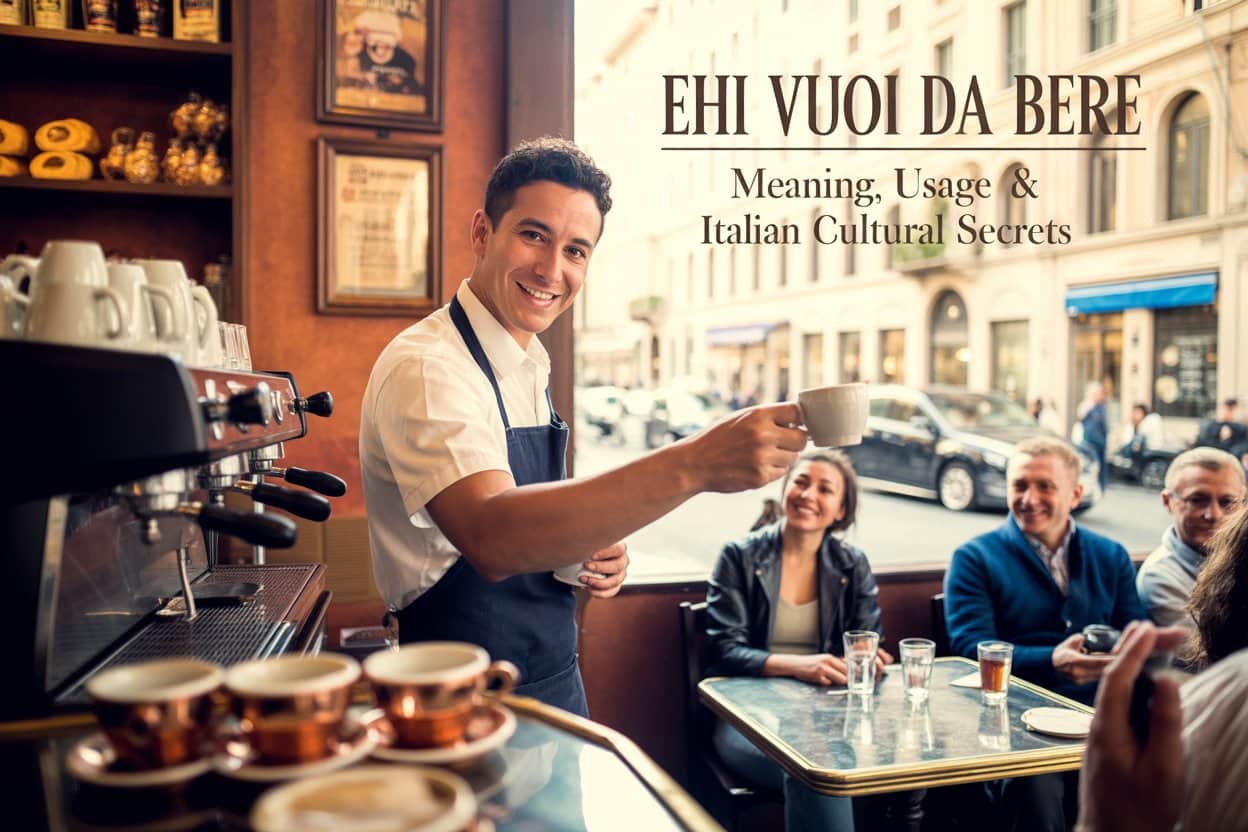
Introduction
If you’ve ever heard someone say “Ehi Vuoi Da Bere” in Italy, it’s more than a simple question. Literally, it means “Hey, do you want something to drink?” but its meaning runs much deeper.
This phrase is a gateway into Italian social culture, reflecting warmth, friendship, and hospitality. It’s commonly used in casual settings, whether at a lively bar, a sunny piazza, or during relaxed moments with friends.
Imagine walking into an Italian café. A local smiles and asks, “Ehi Vuoi Da Bere?” Instantly, you feel welcomed. The question is an invitation to connect, share stories, and enjoy life’s little pleasures together.
Beyond drinks, it’s a symbol of Italian lifestyle and social rituals. By understanding this phrase, you gain insight into conversation starters, cultural etiquette, and the genuine spirit of Italy.
What Does “Ehi Vuoi Da Bere” Mean?
At first glance, “Ehi Vuoi Da Bere” simply translates to “Hey, do you want something to drink? Its significance, however, transcends the words themselves. In Italian culture, this phrase acts as a friendly invitation, an icebreaker, and a subtle gesture of hospitality. Offering a drink is not only about quenching thirst; it signals warmth, openness, and a desire to connect with others.
The phrase is highly versatile. You might hear it among friends at a café, during family gatherings, or even in romantic situations. Depending on the context, it can be playful, casual, or slightly flirtatious. Its tone reflects the mood and the relationship between people, making it a flexible social tool.
Ultimately, saying “Ehi Vuoi Da Bere” is more than a question. It is a way to spark conversation, share a moment, and participate in the Italian love for connection, laughter, and relaxed social life. This simple phrase beautifully embodies the spirit of Italian social culture.
The Origins and Cultural Context
The phrase “Ehi Vuoi Da Bere” has deep roots in Italian history. For centuries, Italians have connected over drinks, whether coffee in a morning café or wine at dinner. Sharing a beverage has always been a way to bond, celebrate, and relax.
This simple question embodies Italian conviviality and hospitality. It reflects the culture’s emphasis on warmth, friendship, and human connection. When someone asks it, they are not just offering a drink—they are welcoming you into a shared experience.
Drinks play a central role in Italian social gatherings. From a quick espresso with colleagues to a lively aperitivo before dinner, beverages create opportunities for conversation. Wine and cocktails often accompany celebrations, while coffee fuels everyday chats.
By understanding its origins, you see that “Ehi Vuoi Da Bere” is more than words. It is a cultural symbol of inclusion, friendliness, and Italy’s love for social interaction.
How Italians Use “Ehi Vuoi Da Bere” in Daily Life
In daily life, Italians use “Ehi Vuoi Da Bere” in many settings. At a bustling bar, a friendly bartender might ask it to start a conversation. During home gatherings, hosts use the phrase to make guests feel welcomed. It also plays a central role in aperitivo rituals, where drinks and snacks bring people together before dinner.
The tone is always informal, and the phrase uses the “tu” form to show familiarity. It is rarely used in formal situations or with strangers, where polite alternatives like “Desidera da bere?” are preferred. This flexibility makes the phrase ideal for casual social interaction.
Polite responses vary depending on your choice. A simple “Sì, grazie” is perfect to accept, while “No, grazie, ma mi unisco volentieri” politely declines yet keeps the social connection. You can also specify your drink, such as “Prendo un prosecco,” to show engagement.
Overall, using “Ehi Vuoi Da Bere” demonstrates understanding of Italian etiquette, friendliness, and hospitality while keeping conversations light and enjoyable.
Emotional and Social Significance
The phrase “Ehi Vuoi Da Bere” carries more than words; it builds connections. When someone says it, they invite warmth, laughter, and genuine camaraderie. It encourages conversation and shared experiences, turning a simple drink into a meaningful social moment.
Its tone can carry subtle romantic or friendly undertones. Among friends, it signals playfulness and inclusion. In more personal settings, it can hint at interest or flirtation, creating a gentle emotional bond. This versatility makes it socially powerful.
The phrase resonates with both locals and visitors because it feels authentic. For Italians, it reflects everyday culture and hospitality. For travelers, it offers a glimpse into the Italian way of connecting. Hearing it instantly conveys friendliness and openness.
Ultimately, “Ehi Vuoi Da Bere” is a tool for human connection. It embodies the Italian love for shared moments, making social interactions richer and more memorable.
Modern Usage and Pop Culture Influence
Today, “Ehi Vuoi Da Bere” appears widely in music, memes, and social media. Short videos, TikTok clips, and online posts often feature the phrase humorously or nostalgically. Its casual charm makes it perfect for digital culture.
The phrase is closely linked to Vasco Rossi and Italian rock culture. Fans associate it with his songs’ conversational and emotional style. It captures the spontaneity and warmth common in Italian music, making it memorable across generations.
Digital trends have amplified the phrase’s recognition worldwide. Social media platforms allow people from different countries to share, remix, and enjoy it. This exposure turns a local Italian expression into a global cultural reference.
Ultimately, “Ehi Vuoi Da Bere” has evolved from a casual greeting into a pop culture symbol. It bridges music, social interaction, and online trends, keeping Italian culture alive in the modern digital world.
Common Misconceptions
Many people assume “Ehi Vuoi Da Bere” only refers to alcohol. In reality, it applies to all drinks, from coffee and tea to cocktails and soft beverages. Its purpose is connection, not just offering a drink.
Another misconception is that the phrase is impolite because it is informal. In truth, it is friendly, warm, and versatile. Italians use it in bars, homes, and casual social gatherings without any rudeness. The informal tone simply signals familiarity and openness.
Additionally, some confuse the literal meaning with its cultural significance. Literally, it asks about a drink, but culturally, it symbolizes hospitality, friendliness, and shared moments. Understanding this distinction is key to using the phrase correctly and naturally.
Overall, “Ehi Vuoi Da Bere” is more than a question. It is an invitation, a social bridge, and a reflection of Italian lifestyle.
How to Use “Ehi Vuoi Da Bere” Like a Local
Using “Ehi Vuoi Da Bere” like a local requires attention to tone, context, and body language. Always smile and maintain a friendly demeanor. This shows warmth and makes your invitation feel genuine.
Start with casual settings, such as bars, cafés, or home gatherings. Keep your voice light and relaxed. Avoid using it in formal or professional situations. Understanding context is key to sounding natural and respectful.
Responses can be casual, friendly, or playful. For example, say “Sì, volentieri!” to accept gladly, or “No, grazie, ma mi unisco volentieri” to politely decline while joining the group. You can also specify your drink with phrases like “Prendo un prosecco” or “Un’acqua tonica, grazie.”
Expanding your vocabulary helps you participate fully. Learn common drinks like Aperol Spritz, Negroni, Prosecco, or Crodino. Knowing terms like prendere, ordinare, and bere enhances interaction and shows cultural awareness.
By observing tone, using friendly gestures, and applying proper vocabulary, you can embrace Italian hospitality and connect with locals effortlessly.
Fun Facts and Cultural Secrets
The phrase “Ehi Vuoi Da Bere” carries hidden nuances in Italian etiquette. For instance, offering a drink is often a sign of respect and inclusion. Even small gestures, like holding the glass slightly forward, convey friendliness.
It is deeply connected to aperitivo culture, a cherished Italian tradition. Between 6:30 PM and 9 PM, friends gather for drinks, snacks, and conversation. Saying the phrase in this context signals participation in a shared lifestyle and social ritual.
Regional variations add playful charm. In Venice, for example, locals might say “Vuoi un’ombra?” when offering wine. In other areas, informal expressions or jokes accompany the question, showing humor and warmth.
Understanding these cultural layers enhances your experience. Using the phrase with awareness reflects Italian hospitality, social grace, and the joyful spirit of everyday life.
Conclusion
In summary, “Ehi Vuoi Da Bere” is more than a question about drinks. It represents Italian hospitality, social connection, and cultural warmth. This simple phrase opens doors to conversation, laughter, and shared moments with friends or strangers alike.
By embracing it in daily life or while traveling in Italy, you can experience authentic Italian culture firsthand. Using the phrase shows friendliness and respect for local customs. It also helps you connect with people in a meaningful, enjoyable way.
Next time you hear or say “Ehi Vuoi Da Bere,” let it be an invitation to join in Italian social life. Share the phrase with friends, enjoy drinks together, and savor the joyful spirit of connection.
FAQ Section
What does “Ehi Vuoi Da Bere” literally mean?
Literally, it translates to “Hey, do you want something to drink?” However, culturally, it signifies warmth, friendliness, and an invitation to connect.
Is it formal or informal?The phrase is informal. It uses the “tu” form, making it suitable for friends, peers, and casual gatherings. Formal alternatives include “Desidera da bere?”
How do I respond politely in Italian?
To accept, say “Sì, volentieri!” To decline politely, use “No, grazie, ma mi unisco volentieri.” You can also specify your drink, like “Prendo un prosecco.”
Can I use it outside Italy?
Yes, you can. It works among Italian speakers or in Italian-themed settings, like restaurants or cultural events.
Why is it so culturally significant?
It reflects Italian hospitality, social connection, and lifestyle. Sharing a drink is about conversation, warmth, and enjoyment, not just the beverage itself.